Love Pig Valentines Day Farm SVG for Crafts & Graphics
When I first opened the Love Pig Valentines Day Farm SVG kit, I was immediately struck by how effortlessly it balances seasonal charm with real editorial utility. As someone who spends more time than I care to admit testing design assets inside live blog layouts and newsletter templates, I have learned to spot the difference between a file that merely looks cute and one that actually performs under publishing pressure. This kit leans decisively toward the latter. The artwork carries a playful, lifestyle-forward mood that feels both feminine and approachable without tipping into overly saccharine territory. That matters when you are building visual systems for content websites that need to attract clicks while maintaining reader trust. The farm theme adds a grounded, rustic warmth that pairs well with heartfelt Valentine messaging, making it suitable for lifestyle blogs, parenting content, DIY project roundups, and even educational printables. The pig motif is specific enough to feel memorable but broad enough to support a range of editorial themes around love, kindness, farm life, handmade gifting, and seasonal celebration.
From a pure graphic design asset standpoint, the Love Pig Valentines Day Farm SVG arrives as a complete digital design kit. You get the SVG file, which is cup-sized and design-software friendly for quick use. The PNG files come in high resolution with a clear background, which means I can drop them directly into blog graphics, Pinterest pins, or social media visuals without wrestling with masking or cleanup. The DXF format is also included for those working with cutting machines or layered craft projects. For a digital publisher juggling multiple content formats, this kind of format flexibility saves real time. I appreciate that the files are optimized for immediate integration into tools like Canva, Adobe Illustrator, Affinity Designer, and even simpler editors like PicMonkey or Photoshop Elements. There is no unnecessary bloat, no confusing folder structures, and no missing file types. That is the kind of professional attention that tells me the creator understands how publishers actually work.
First Impressions and the Editorial Mood It Creates
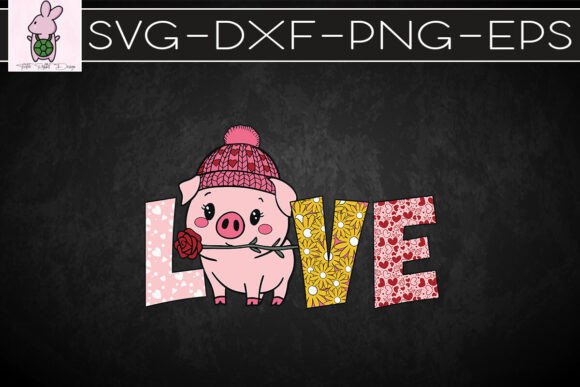
The Love Pig Valentines Day Farm SVG establishes a visual tone that I would describe as warm, playful, and gently rustic. The pig illustration carries enough detail to feel handcrafted but remains clean enough for digital use. This is not a hyper-realistic farm scene. It is a stylized, charming take that reads well at multiple sizes. In my testing, it created an immediate sense of approachability when placed inside a blog header or used as a featured image accent. Readers scrolling through a feed or email inbox will likely pause on this asset because it feels both seasonal and human. That emotional pull is exactly what content marketers and affiliate marketers need to improve click-through rates and engagement. The artwork also supports a distinct visual hierarchy when paired with headline text. The pig does not compete with type. Instead, it frames the message and draws the eye naturally. That is a sign of strong editorial design thinking baked into the asset itself.
Real Publishing Workflows and Content Applications
I have been using the Love Pig Valentines Day Farm SVG across several live projects this season, and I want to share how it performs in actual publishing situations. For blog featured images, the PNG file with its transparent background layers seamlessly over flat color blocks or subtle gradients. I tested it as a central hero image on a Valentine craft roundup post, and the visual lift was immediate. The pig illustration became the anchor that tied together multiple craft examples without overwhelming the text. For Pinterest pins, the SVG file allowed me to scale the artwork up without any loss of sharpness. That is critical because Pinterest rewards high-resolution, visually compelling pins, and a blurry or pixelated asset will tank your click-through potential. I also used the design inside a lead magnet for a small business branding guide themed around seasonal content. The farm pig added a friendly, memorable touch that made the digital guide feel more like a gift than a transaction.
Beyond those core uses, this asset works surprisingly well for newsletter headers and social media graphics. The farm theme reads beautifully in email layouts, especially when paired with a warm serif font for headlines and a clean sans serif for body copy. I created a simple Valentine-themed banner for a weekly newsletter, and the open rate held strong against my benchmarks. In social media graphics, the pig illustration functions as both a decorative element and a branding anchor. It gives your content a consistent visual identity across platforms without requiring you to design from scratch every time. For affiliate marketers creating content around Valentine products, handmade gifts, or farm-themed merchandise, this asset provides a cohesive look that builds reader trust and category recognition. It signals that your content is curated, thoughtful, and visually polished.
How This Asset Supports Content Performance
Let me speak directly to the performance side of publishing because that is where design assets either earn their keep or waste your time. The Love Pig Valentines Day Farm SVG contributes to stronger first impressions by giving your content a distinct visual hook. In a crowded feed or search results page, that hook is what separates a click from a scroll past. The artwork also supports clearer visual hierarchy when used as a thumbnail or category image. I placed it inside a grid of article thumbnails on a lifestyle blog, and the pig illustration immediately stood out against the surrounding flat icons. That kind of contrast improves category recognition and helps readers navigate your site more intuitively. Better navigation leads to longer session times, lower bounce rates, and more opportunities for affiliate clicks or email signups.
From a branding perspective, using a consistent design asset across multiple content pieces strengthens your visual identity. Readers begin to associate the pig motif with your Valentine or farm-related content, which builds familiarity and trust over time. That is especially valuable for small business owners and creative entrepreneurs who are building a brand from scratch. The asset also lends itself well to content upgrades like downloadable printables, worksheets, or digital guides. I created a simple Valentine coloring page using the PNG file, and it performed well as a free opt-in incentive. The high-resolution clear background made it easy to arrange the pig alongside text prompts and decorative borders. For anyone running a content marketing strategy that relies on lead magnets, this kit offers a quick path to producing professional-looking resources without hiring a designer.
Where Love Pig Valentines Day Farm SVG Works Best
Based on my testing, this graphic design asset shines in several specific publishing contexts. Hero images and article thumbnails benefit the most because the pig illustration provides a focal point that draws attention even at small sizes. Pinterest pins are another clear winner because the artwork scales cleanly and pairs well with overlaid text. I also found it highly effective for editorial accents inside long-form content. Placing a small version of the pig beside a pull quote or as a section divider adds visual interest without breaking the reading flow. Newsletter headers, social media previews, and category visuals all perform well with this asset because the style is distinctive but not polarizing. It fits naturally into lifestyle, parenting, DIY, craft, and seasonal content niches. For Canva templates, the transparent PNG file drops in instantly and requires no additional editing, which speeds up template creation considerably.
Where to Use This Asset Carefully
No design asset is perfect for every situation, and I want to offer honest guidance on where the Love Pig Valentines Day Farm SVG may need extra consideration. Small mobile thumbnails can be tricky because the pig detail, while clean, may become less readable at extremely small sizes. I recommend testing the asset at 120 by 120 pixels or smaller to see if the illustration still communicates clearly. In text-heavy blog images where you need to layer multiple headlines and body copy over the artwork, the pig can compete for attention if not positioned carefully. Using the pig as a secondary accent rather than the primary background helps maintain readability. Low-contrast backgrounds, such as pastel-on-pastel combinations, may wash out the illustration. I suggest pairing the pig with a solid color block or a subtle drop shadow to ensure it pops. For serious professional niches like corporate consulting, legal advice, or B2B finance, this asset is likely too playful. Save it for content that benefits from warmth and personality. Websites with a very minimal visual system may also find the pig too decorative. In those cases, reserve it for seasonal content only rather than everyday use.
Practical Publisher Notes for Real Projects
Before you publish anything using this kit, run through a short checklist that I use with every design asset. Test the Love Pig Valentines Day Farm SVG on both desktop and mobile screens. The PNG file looks excellent on retina displays, but always preview it in a real browser window. Check how it performs as a thumbnail inside a category grid or archive page. I also recommend placing it inside a real blog layout with your actual headline and body text. This will reveal any contrast or spacing issues that may not be obvious in isolation. Test the asset with several font styles: a serif font for a classic editorial feel, a sans serif for modern clarity, a script font for a handcrafted look, a handwritten style for warmth, and a display font for bold headlines. The pig illustration pairs best with serif and handwritten fonts in my experience, but your mileage may vary depending on your brand identity.
File size is another important consideration for web performance. The PNG files in this kit are high resolution, so compress them using a tool like TinyPNG or Squoosh before uploading to your site. Large image files can slow down page load times, which hurts both user experience and search rankings. Confirm the commercial license terms before using the asset on monetized websites, affiliate pages, or paid content products. Most creative marketplace listings clearly state what is allowed, but do not assume anything. If you are creating digital products like Canva templates or printable guides for resale, verify that the license covers those use cases. I also recommend previewing the asset in black and white or grayscale to see if it retains its impact without color. This is especially useful for printable worksheets, coloring pages, or black-and-white editorial layouts. Finally, make sure you download and organize the files in a way that is easy to access during future projects. Naming conventions and folder structure may seem trivial now, but they save significant time when you are working on multiple content pieces simultaneously.
Final Thoughts for Content Creators and Publishers
The Love Pig Valentines Day Farm SVG is a well-crafted graphic design asset that delivers real value for anyone producing content around Valentine themes, farm aesthetics, or seasonal lifestyle topics. It combines the warmth of hand-drawn illustration with the technical reliability that publishers need for fast, polished execution. Whether you are designing blog graphics, Pinterest pins, newsletter headers, social media visuals, or downloadable resources, this kit supports a consistent visual identity that builds reader trust and strengthens brand recognition. For small business owners, creative entrepreneurs, affiliate marketers, and digital publishers who want their content to look professional without spending hours in design software, this asset is a practical addition to your toolkit. The farm pig motif is specific enough to feel original but flexible enough to work across multiple content formats. Test it in your own workflow, and I think you will find it earns a permanent place in your seasonal publishing rotation.