Unicorn Roses Tumbler: A Designer’s Review for Real Projects
When I first opened the Unicorn Roses Tumbler design, I will admit I was curious how a tumbler wrap graphic would translate into the world of machine embroidery. The name alone suggests a blend of whimsy and floral elegance, but as someone who has stitched hundreds of custom projects, I know that what looks good on screen does not always stitch well on fabric. This review is my honest, hands-on take on the Unicorn Roses Tumbler from the perspective of a designer who has tested it across multiple real-world applications.
First Impressions: Mood, Layout, and Visual Personality
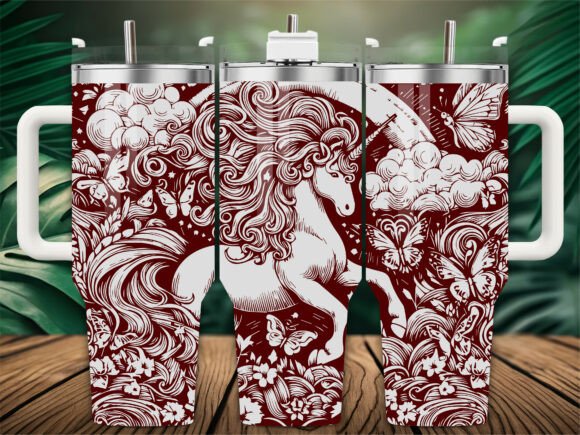
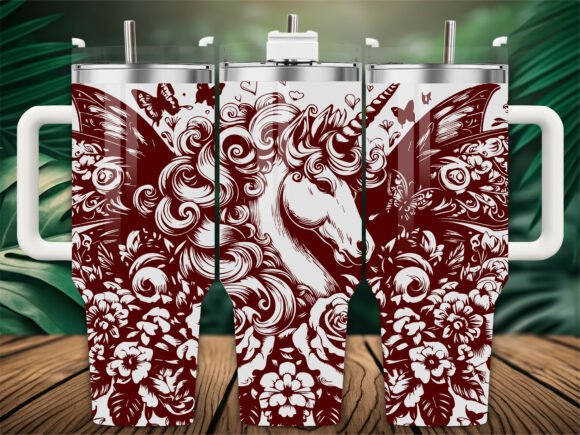
The Unicorn Roses Tumbler carries a dreamy, slightly romantic feel with a playful edge. The unicorn motif combined with roses creates a contrast that works well for a wide audience—kids, teens, and even adults who appreciate a bit of fantasy in their accessories. The layout is clearly designed for a vertical wrap, which means it naturally fits tall, curved surfaces like tumblers, but also translates surprisingly well to flat apparel placements.
The detail level is moderate. There is enough intricacy in the roses and the unicorn’s mane to give the design depth, but it does not look overly dense or cluttered. That balance is important for embroidery because too much detail can cause distortion, especially on textured or stretchy fabrics. From a first glance, I would say this design belongs on custom apparel, personalized gifts, boutique merchandise, and yes, tumbler wraps—but with a few caveats I will get into.
Real-Life Embroidery Performance: Testing the Unicorn Roses Tumbler
I decided to test the Unicorn Roses Tumbler on a medium-weight cotton tote bag first. Tote bags are a forgiving surface—they are stable, not too stretchy, and give a good sense of how a design behaves before moving to trickier fabrics. I used a standard hoop size that fit the design comfortably, and I made sure to stabilize the fabric well with a tear-away stabilizer. The design stitched out cleanly. The satin stitch elements in the roses held their shape, and the fill stitch areas in the unicorn’s mane had a nice, even texture.
Next, I tried it on a sweatshirt. Sweatshirt fabric has more give, so I switched to a cut-away stabilizer and used a light weight fusible interfacing on the back of the fabric to prevent stretching. The Unicorn Roses Tumbler handled the curve of the chest area well. I did notice that the design’s taller vertical shape works better on the front center or upper back of a sweatshirt rather than on a sleeve, where it would need to wrap around a narrow cylinder. That is something to keep in mind if you are selling custom apparel.
I also tested a small version on a baby onesie. The onesie was a lightweight cotton knit, so I used a sticky stabilizer and a very light hand with the hoop tension. The design scaled down reasonably well, but some of the finer rose petal details lost a bit of clarity. If you plan to use the Unicorn Roses Tumbler on baby items, I recommend testing the scale first and possibly simplifying the thread colors to keep the stitching crisp.
Where the Design Shines and Where to Be Cautious
This design performs best on stable, medium-weight fabrics. Tote bags, aprons, pillow covers, tea towels, and quilted items are ideal. It also works beautifully on felt or fleece blankets, where the stitch density helps the design stand out without sinking into the fabric. For caps and hats, the vertical shape is a good fit for the front panel, but be mindful of the curve—the design may need to be adjusted or split into separate pieces if the hat has a pronounced seam.
I would be cautious with very thin fabrics like silk or lightweight polyester, where the stitch density might cause puckering. Dark fabrics also require careful thread color selection. The Unicorn Roses Tumbler as a digital file comes with a PNG, SVG, EPS, and PDF, so you have flexibility to preview it on different backgrounds. I always recommend testing the design on a dark fabric swatch with your chosen thread colors before committing to a final product. The design’s lighter elements, especially the unicorn, can get lost on black or navy if the thread contrast is not strong enough.
For products that need frequent washing, like kitchen towels or baby blankets, make sure you use a high-quality stabilizer and trim any loose threads carefully. The design’s stitch density is moderate, but repeated washing can still cause distortion if the stabilizer is not appropriate for the fabric type.
Visual Appeal, Product Value, and Customer Perception
From a customer’s perspective, the Unicorn Roses Tumbler has strong gift appeal. It feels personalized without being overly niche. I can see this working well for birthday gifts, holiday items, nursery decor, and even wedding favors if the color palette is adjusted. The design’s aesthetic is friendly and approachable, which makes it easy to market to a broad audience.
For Etsy sellers and small shop owners, this design adds a professional, boutique quality to finished products. The vertical wrap style is trendy right now, especially for tumbler cups and travel mugs, but the same design file can be used for embroidered patches, tote bags, and sweatshirts, which gives you more product variety without needing to buy multiple files. That versatility is a big plus for craft business owners who want to maximize their design assets.
I also like that the Unicorn Roses Tumbler works well in printable mockups. If you are selling digital products or creating marketing images, the PNG file included in the set is useful for showing how the design would look on a finished product before you stitch it. This saves time and helps customers visualize the final result.
Practical Embroidery Designer Notes
Before you use the Unicorn Roses Tumbler in any commercial or personal project, here are a few things I recommend checking:
- Test on scrap fabric first. This is non-negotiable. Every fabric behaves differently, and a quick test stitch will tell you if the design needs any adjustments.
- Check thread color contrast. The design’s lighter elements need to stand out against the fabric. If you are stitching on dark fabric, consider using a white or pale yellow thread for the unicorn and brighter pinks or reds for the roses.
- Review stitch density. While the design is not overly dense, it is still a good idea to check the stitch count and density in your embroidery software. If the density is too high for your fabric, you can adjust it or choose a different stabilizer.
- Confirm hoop size. Make sure the design fits your hoop before you start. The file is designed for a 40oz Stanley-style tumbler, so it is relatively tall. If you are using a smaller hoop, you may need to resize the design, which could affect stitch quality.
- Inspect small details. The rose petals and the unicorn’s facial features are the most delicate parts. If you are scaling the design down, these details may become less defined. Test a scaled version before offering it to customers.
- Test in black and white mockups. This helps you see the design’s structure without the distraction of color. If the design looks unbalanced in grayscale, it may need editing.
- Compare light and dark fabric backgrounds. The same design can look completely different on a white shirt versus a black one. Always test both if you plan to offer the design on multiple color options.
- Use proper stabilizer. For most projects, a medium-weight cut-away stabilizer is a safe choice. For stretchy fabrics, use a stabilizer designed for knits. For stable fabrics like canvas or denim, tear-away works fine.
- Check licensing before selling. The Unicorn Roses Tumbler file includes a copyright notice, so make sure you understand the terms for commercial use. If you plan to sell finished products or digital items using this design, confirm that your license allows it. When in doubt, contact the seller.
Final Thoughts on the Unicorn Roses Tumbler for Embroidery Projects
The Unicorn Roses Tumbler is a solid, versatile design that works well for a range of embroidery projects. It is not overly complicated, but it has enough detail to feel premium. Whether you are making custom apparel, personalized gifts, boutique merchandise, or digital product previews, this design holds up well in real stitching conditions. My main advice is to test it on your specific fabric and hoop setup before going into production, and always pay attention to thread contrast and stabilizer choice. For any designer or small business owner looking to add a whimsical, customer-friendly design to their catalog, this is a strong option worth considering.